2. Failure Modes and Replacement Thresholds
Knowing exactly when an item must be pulled from match circulation avoids on-pitch kit failures. Equipment staff evaluate uniforms against three primary failure categories:
| Component Area | Inspection Standard | Remediable Action | Mandatory Replacement Threshold |
|---|---|---|---|
| Heat-Pressed Vinyls | Flat bonding, no edge curls | Spot re-press (160°C, 8 sec) | Letters cracked across body or >20% detached |
| Collar / Arm Ribbing | Snug recovery when stretched | None (Structural decay) | Elastic thread blowout or loose neck droop |
| Flatlock Seams | Unbroken 4-needle chain stitch | Re-stitch seam on overlock head | Separation longer than 70 mm across stress points |
| Technical Body Knit | Smooth breathability mesh | Snag trimmer removal | Holes exceeding 5 mm or widespread piling |
3. Reactive Replacement vs Planned Replacement Cycles
How an organization handles worn kit directly influences seasonal expenditure and professional team presentation.
Planned Replacement Cycles
System: Roster apparel is formally reviewed at defined calendar intervals (mid-season winter break and post-season). Kits approaching Tier 3 are preemptively replaced from warehouse buffer reserves.
Impact: Squad always presents a flawless visual identity on pitch. Manufacturing re-orders are batched to secure standard supplier discounts. No rush courier expenses for isolated jerseys.
Reactive Replacement
System: Jerseys are only evaluated after a visible failure occurs on the field or an athlete refuses to wear an unravelling piece.
Impact: Elevated stress on kit room staff. Emergency single-unit press runs incur high express shipping and supplier setup penalties. Creates the risk of players wearing unmatched older jersey versions.
4. End-of-Life Repurposing & Textile Recycling
Retired Tier 4 apparel should never simply be discarded into general municipal waste. Responsible club textile protocols mandate eco-conscious end-of-life pathways:
- Academy Donation: Usable non-branded training garments sanitized and donated to grassroots community partner schools.
- Textile Shredding: Heavily damaged synthetic polyester garments routed to specialist textile shredders for insulation padding or sports turf underlay.
- Archive Preservation: Historic match-worn jerseys catalogued in acid-free preservation boxes for club museum and heritage collections.
Post-Match Condition Audit Protocol
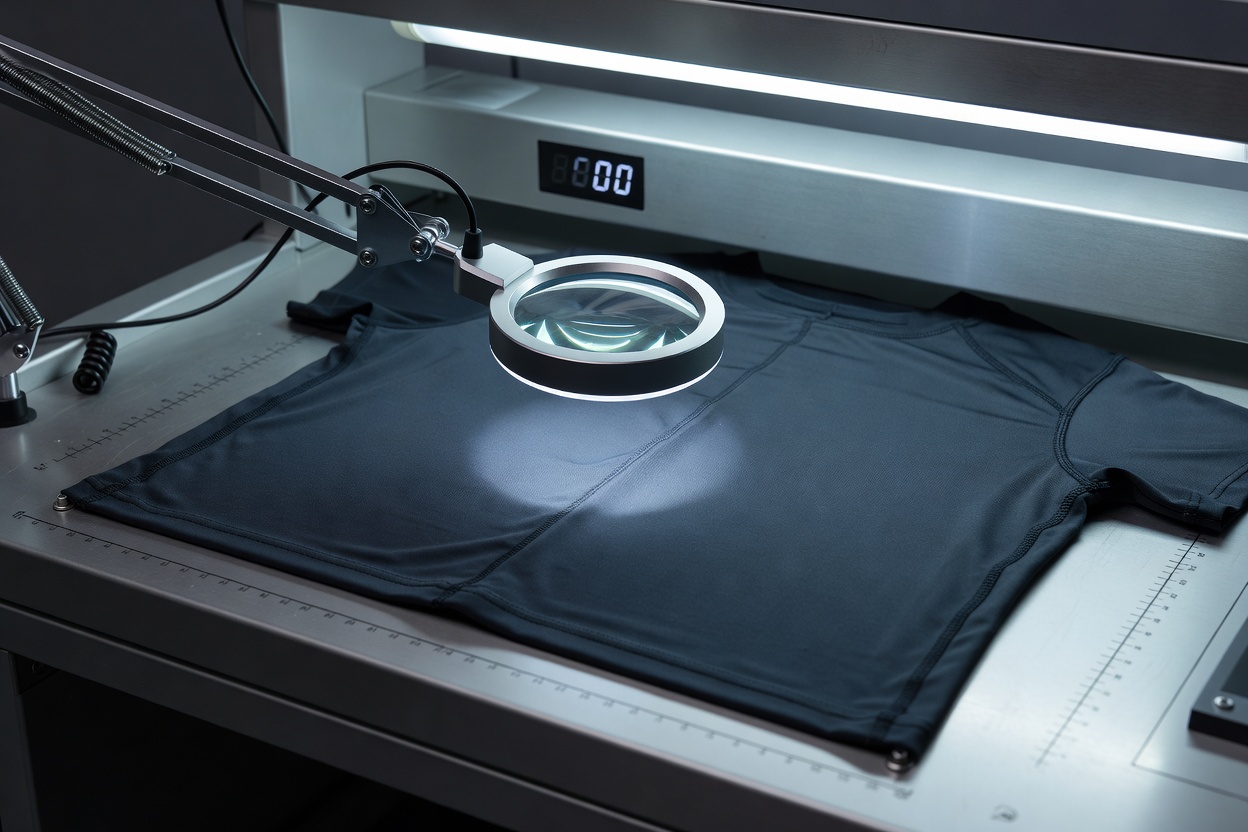
- Place jerseys under illuminated 500-lumen inspection lamps to check sponsor vinyl edges.
- Tension underarm and side mesh inserts by hand to detect snapped overlock threads.
- Inspect shorts drawstring channels for fraying or pulled retention grommets.
- Record item barcode and update internal condition grade from Tier 1 to Tier 2 if fabric snagged.
- Route damaged items directly to the in-house repair tote with attached symptom tag.
Good For
Clubs aiming to maintain pristine visual presentation on matchday while safely extending training apparel useful lifespan by 30-40%.
What to Monitor
Mid-season sponsor contract changes. Always verify that retired garments with outdated commercial logos are completely decommissioned from televised fixtures.
Establish Wear Tracking at Your Facility?
Consult with our condition control managers to establish inspection standards, repair workflows, and retirement protocols.
Inquire About Condition Control